

It is H2 heading of the page.
It is H3 heading of the page.
It is H4 heading of the page
A rich text element can be used with static or dynamic content. For static content, just drop it into any page and begin editing. For dynamic content, add a rich text field to any collection and then connect a rich text element to that field in the settings panel. Voila!
Headings, paragraphs, blockquotes, figures, images, and figure captions can all be styled after a class is added to the rich text element using the "When inside of" nested selector system.
- hello this is the list of page
- hello this is the list of page
Here is another list:
- hello this is ordered list of the page
- hello this is ordered list of the page
- hello this is ordered list of the page
- hello this is ordered list of the page
- hello this is ordered list of the page

AED Laws and State Guidelines: Placement, Training, and Compliance


Sudden cardiac arrest can strike anyone, anywhere, at any time. Automated External Defibrillators (AEDs) are life-saving devices designed to restore a normal heart rhythm during these emergencies. But having AEDs available isn’t enough. Laws and regulations exist to ensure they are placed in the right locations, used safely, and maintained properly. Understanding AED laws not only helps organizations comply with regulations but also empowers individuals to act confidently during cardiac emergencies.
What Are AED Laws?
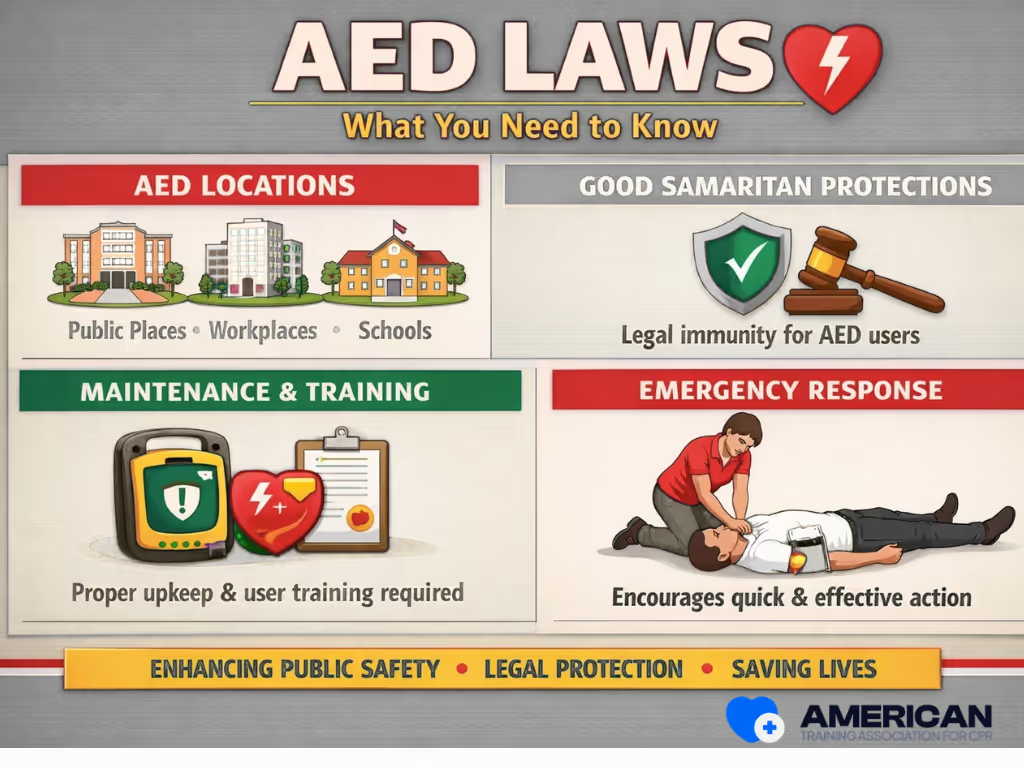
AED laws are a set of federal and state regulations that govern the placement, use, and maintenance of automated external defibrillators. These laws aim to make AEDs widely available in public spaces, workplaces, and schools while protecting people who use them from legal consequences. Essentially, AED laws balance public safety with legal protections to encourage prompt and effective use during emergencies.
Why AED Laws Matter
AED laws are crucial because every minute counts during sudden cardiac arrest. Immediate use of an AED, combined with Cardiopulmonary Resuscitation, dramatically increases survival rates. Without legal protections and placement regulations, bystanders may hesitate to help, and organizations may lack clear guidelines for maintaining devices. AED laws provide the framework that saves lives, reduces liability concerns, and promotes a culture of preparedness.
Federal AED Laws and Guidelines
At the federal level, the Cardiac Arrest Survival Act encourages AED placement in federal facilities and public spaces. It emphasizes timely access and proper use during emergencies. Additionally, federal guidance includes Good Samaritan protections, which shield lay rescuers from civil liability if they act in good faith. These guidelines also recommend certification for users and regular device maintenance.
Good Samaritan Protections for AED Use
Good Samaritan laws are designed to remove the fear of legal consequences for those who attempt to save a life using an AED. These protections apply as long as the rescuer acts without gross negligence and in good faith. This legal reassurance encourages more people to step in during life-threatening situations, knowing they are protected while helping someone in critical need.
CPR and FIRST AID
Certification

State Requirements for AED Placement
AED placement laws vary significantly across states, reflecting differences in public health priorities, liability protections, and population needs. Most states require AEDs in high-risk environments, but the specifics differ based on building type, occupancy, and the presence of emergency medical services. Common Requirements by Location:
- Schools and Educational Facilities: Many states mandate AEDs in K–12 schools, colleges, and universities, especially in gyms, athletic fields, and cafeterias where large groups gather. This ensures rapid response to cardiac events among students, staff, and visitors.
- Public Buildings: Libraries, recreation centers, airports, and government offices often require AEDs on-site. Some states specify a minimum number of devices per building size or occupancy level.
- Workplaces: High-risk workplaces, such as manufacturing plants, construction sites, and facilities with physically demanding labor, may be required to have AEDs readily accessible. Some states also require trained staff on each shift.
- Sports and Recreational Facilities: AEDs are increasingly required at stadiums, arenas, gyms, and swimming pools. Rapid access is crucial during athletic events where sudden cardiac arrest can occur in otherwise healthy individuals.
.avif)
Registration with EMS
Several states require AEDs to be registered with local Emergency Medical Services (EMS) or state health departments. This ensures first responders know where AEDs are located during emergencies, enabling faster access and potentially saving lives.
Training Requirements for AED USe
Many states tie AED placement to training requirements. It’s not enough to have a device available; staff must be trained in CPR and AED use. Training frequency may be specified, with some states requiring annual or biennial refresher courses to maintain competence. Recommended training includes:
- CPR/AED certification courses for employees, volunteers, and students
- Hands-on practice with AED devices and rescue scenarios
- Refresher training every 1–2 years to maintain competence
Proper training ensures that rescuers can respond quickly and confidently during cardiac emergencies, maximizing the chances of survival.
AED State Guidelines Variations
- California: AEDs are required in all schools and workplaces with 50 or more employees. EMS registration is mandatory, and staff training is strongly recommended.
- Florida: AEDs must be registered with EMS agencies, and public buildings are encouraged to provide staff training in CPR and AED use.
- Georgia: Focuses on Good Samaritan protections, offering civil immunity to trained AED users in public spaces.
- Kentucky & Alabama: Include both placement and routine inspection requirements to ensure devices are functional and ready for emergencies.
- New York & Massachusetts: Require AEDs in educational and athletic facilities, with detailed signage requirements and emergency protocols.
Understanding your state’s guidelines is essential for organizations and public facilities. Compliance ensures not only legal protection but also the highest chance of saving lives during sudden cardiac arrest incidents.
.avif)
CPR and FIRST AID
Certification
Maintenance and Registration Guidelines
AEDs must be maintained to ensure they work reliably when needed. Maintenance practices include:
- Routine checks of batteries, pads, and readiness indicators
- Registering devices with local EMS or state agencies
- Documenting any device use or malfunctions
Consistent maintenance ensures AEDs are always ready and helps organizations comply with legal requirements.
Importance of CPR and First Aid Training
AEDs save lives, but they work best in combination with CPR and first aid training. Trained responders can recognize cardiac emergencies, act without hesitation, and use AEDs safely and effectively. Organizations and individuals are encouraged to take certified CPR/AED courses to increase confidence, improve response times, and comply with legal requirements.
Are you liable if someone misuses an AED?
Generally, no. Good Samaritan protections shield rescuers from civil liability if the AED is used in good faith and without gross negligence.
Can all public facilities legally install AEDs?
Not necessarily. Some states require specific approvals, training, or EMS registration before installation. Check state laws before placing an AED in a public area.
Do I need AED training even if the device is easy to use?
Yes. Training ensures proper pad placement, CPR coordination, and confidence in using the medical device quickly during an emergency.
How often should AEDs be inspected?
AEDs should be checked regularly according to manufacturer guidelines, usually weekly or monthly to ensure batteries, pads, and devices are functional.
CPR and FIRST AID
Certification
