

It is H2 heading of the page.
It is H3 heading of the page.
It is H4 heading of the page
A rich text element can be used with static or dynamic content. For static content, just drop it into any page and begin editing. For dynamic content, add a rich text field to any collection and then connect a rich text element to that field in the settings panel. Voila!
Headings, paragraphs, blockquotes, figures, images, and figure captions can all be styled after a class is added to the rich text element using the "When inside of" nested selector system.
- hello this is the list of page
- hello this is the list of page
Here is another list:
- hello this is ordered list of the page
- hello this is ordered list of the page
- hello this is ordered list of the page
- hello this is ordered list of the page
- hello this is ordered list of the page
.avif)
What is PPE and how to use it to minimize the Risk of Bloodborne Pathogens


Bloodborne pathogens pose a serious risk to healthcare workers, first responders, custodial staff, and anyone exposed to potentially infectious materials. Proper use of Personal Protective Equipment (PPE) is one of the most effective ways to reduce exposure. This guide explains how PPE works, when to use it, and how to properly wear and remove it to minimize risk.
What Are Bloodborne Pathogens?
Bloodborne pathogens are infectious microorganisms found in human blood and other potentially infectious materials (OPIM). They can cause serious diseases when transmitted through exposure. These pathogens are a major concern in environments where workers may come into contact with contaminated bodily fluids or surfaces. Common Bloodborne Pathogens
- Hepatitis B (HBV): A viral infection that attacks the liver, HBV can cause chronic liver disease and even liver failure if left untreated.
- Hepatitis C (HCV): Similar to HBV, HCV is a liver infection that can lead to chronic disease and long-term health complications.
- Human Immunodeficiency Virus (HIV): The virus that causes AIDS, HIV weakens the immune system, making it harder for the body to fight infections and diseases.
What Is PPE?
PPE stands for Personal Protective Equipment. It refers to specialized clothing or equipment worn to protect workers from exposure to infectious materials. It forms the first line of defense against the risk of bloodborne pathogens by providing a physical barrier between the worker and the harmful substances.
What are the Types of PPE for Bloodborne Pathogen Protection?
Different types of PPE are designed to protect specific parts of the body from contamination. Here are the primary types of PPE used for bloodborne pathogen protection:
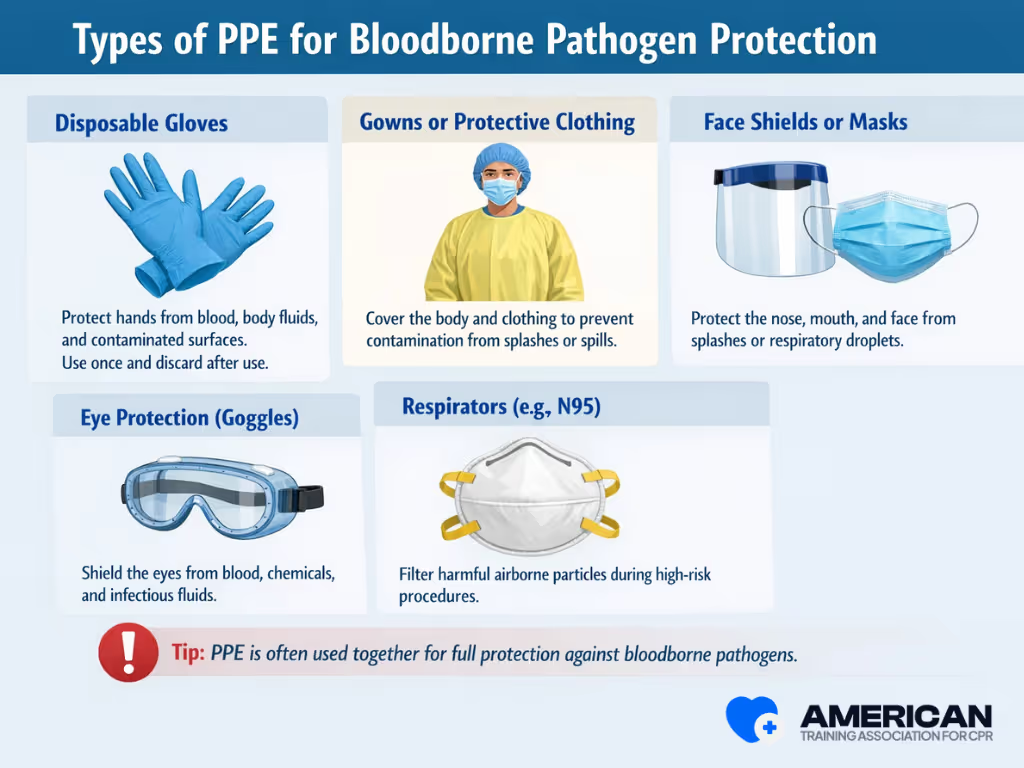
1. Disposable Gloves
Gloves are the most commonly used PPE for protecting hands from direct contact with blood, bodily fluids, and contaminated surfaces. They are made from materials such as nitrile, latex, or vinyl. It is essential to wear gloves when handling contaminated items, performing first aid, or cleaning up spills. Never reuse disposable gloves, as doing so can lead to cross-contamination.
2. Gowns or Protective Clothing
Gowns, aprons, and other forms of protective clothing provide full-body coverage to prevent contamination of clothing and skin. They are especially necessary when there is a risk of blood splashes or spills. Gowns should be long-sleeved and cover the arms and body, with cuffs at the wrists to prevent fluids from getting inside.
3. Face Shields or Masks
Face shields protect the face and eyes from bloodborne pathogens that could splash into the face, especially during procedures that may result in airborne transmission of blood. Masks are worn to cover the nose and mouth to prevent exposure to respiratory droplets, which could carry infectious agents. Depending on the procedure and risk, surgical masks, N95 respirators, or other types of respiratory protection may be necessary.
4. Eye Protection (Goggles)
Goggles are designed to shield the eyes from bloodborne pathogens, chemicals, or other harmful fluids. They create a barrier that prevents fluids from entering the eyes, which are a direct route for pathogen transmission. It’s critical to use proper eye protection when working in environments with high-risk exposure, such as healthcare settings or laboratories.
5. Respirators
In situations where airborne bloodborne pathogens are a concern (e.g., during aerosol-generating procedures), respirators like N95 or higher-level protection are required. These devices help filter out harmful particles from the air and protect the respiratory system from potential infections. Respirators must be properly fitted to ensure maximum protection.
Each type of PPE is designed to protect a specific part of the body and is often used in combination to offer comprehensive protection. Choosing the right PPE depends on the specific risk factors of the job and the nature of potential exposure to bloodborne pathogens.
CPR and FIRST AID
Certification

.avif)
When Should PPE Be Used?
Personal Protective Equipment (PPE) should be used whenever there is a reasonable risk of exposure to blood, bodily fluids, or other potentially infectious materials (OPIM). Under OSHA’s Bloodborne Pathogens Standard, PPE is required when occupational exposure may occur. PPE must be worn in situations such as:
- Performing first aid or CPR
- Handling needles, lancets, or other sharps
- Cleaning blood or bodily fluid spills
- Providing medical or dental care
- Assisting injured individuals
- Handling contaminated laundry or waste
- Working in laboratories with human specimens
- Performing custodial duties in healthcare settings
Even small or unseen amounts of blood can carry infectious microorganisms. PPE should always be selected based on the level of anticipated exposure and worn before contact occurs, not after. Consistent and proper use significantly reduces the risk of bloodborne pathogen transmission.
How to Properly Put On (Don) PPE?
Proper donning of PPE is critical to ensure maximum protection and prevent contamination before exposure. Using PPE correctly from the start helps create a barrier between you and potentially infectious materials.
.avif)
Step-by-Step Donning Procedure
- Perform hand hygiene before touching any PPE.
- Put on the gown and secure it properly.
- Put on a mask or respirator, ensuring a snug fit over the nose and mouth.
- Place goggles or a face shield to protect your eyes.
- Put on gloves last, ensuring they cover the cuffs of the gown for complete protection.
How to Properly Remove (Doff) PPE?
Removing PPE incorrectly can lead to self-contamination, as the outer surfaces may be contaminated. Follow proper steps to minimize exposure risk.
.avif)
Step-by-Step Doffing Procedure
- Remove gloves carefully, turning them inside out as you take them off.
- Remove the gown without touching the outer surface, folding it inward.
- Perform hand hygiene immediately after removing gloves and gown.
- Remove eye protection without touching the front of the goggles or face shield.
- Remove the mask or respirator by handling only the straps or ties.
- Perform hand hygiene again after all PPE is removed.
What are the Common Mistakes When Using PPE?
Even with the proper availability of Personal Protective Equipment (PPE), improper use can compromise its effectiveness and increase the risk of exposure to bloodborne pathogens. Below are some of the most common mistakes when using PPE:
1. Reusing Disposable PPE
Disposable PPE, such as gloves, gowns, and face shields, is designed for single-use only. Reusing these items can lead to contamination and cross-contamination, increasing the risk of exposure. Always dispose of PPE after each use to ensure safety.
2. Not Changing PPE Between Tasks
PPE should be changed between different tasks or when moving from one patient to another. Using the same PPE for multiple tasks can transfer contaminants from one surface to another, thereby spreading potential pathogens.
3. Touching the Face While Wearing Gloves
One of the most common mistakes is touching the face—eyes, nose, or mouth—while wearing gloves. The outer surface of gloves can be contaminated, and touching the face can lead to self-contamination and exposure to harmful pathogens. Always avoid touching your face while wearing PPE.
4. Improper Disposal of Used PPE
Improper disposal of contaminated PPE can result in environmental contamination and exposure risks to others. Always dispose of PPE in designated biohazard containers and ensure it is properly sealed to prevent accidental exposure.
5. Skipping Hand Hygiene
Hand hygiene is one of the most important steps when using PPE. Failing to wash your hands before donning PPE, after removing it, or after touching potentially contaminated surfaces can lead to the spread of pathogens. Hand hygiene should be performed before and after any interaction involving PPE.
6. Incorrect PPE Fit
Wearing PPE that doesn't fit properly can create gaps in protection, rendering it ineffective. Masks, gloves, and gowns should be well-fitted to prevent exposure to infectious materials. Ensure all PPE is the correct size and adjusted for comfort and effectiveness.
7. Not Using the Correct PPE for the Job
Using the wrong type of PPE for a specific task can lead to insufficient protection. For example, wearing a basic face mask instead of an N95 respirator when handling airborne pathogens can compromise safety. Always use the appropriate PPE based on the level of risk.
CPR and FIRST AID
Certification
Employer Responsibilities Under OSHA
Under the Occupational Safety and Health Administration (OSHA) Bloodborne Pathogens Standard, employers are legally obligated to provide a safe working environment, which includes proper PPE and training to protect employees from bloodborne pathogens. These regulations are designed to ensure that employees are adequately protected from exposure to potentially infectious materials and to minimize the risk of infection.
- Providing PPE at No Cost: Employers must supply necessary protective equipment at no charge to employees.
- Ensuring Proper Fit and Accessibility: PPE must fit properly and be easily accessible to employees.
- Training Employees: Employers must train workers on proper PPE usage, including donning, doffing, and maintenance.
- Maintaining Compliance Documentation: Employers must document training and PPE usage to ensure regulatory compliance.
By fulfilling these responsibilities, employers help ensure a safer work environment and comply with health and safety regulations.
What is a hazard assessment?
A hazard assessment is the process of identifying potential risks and hazards in the workplace to determine the appropriate PPE and safety measures needed to protect employees. This helps ensure a safer work environment by preventing exposure to harmful substances or situations.
Is PPE 100% protective?
No. PPE greatly reduces the risk of exposure to bloodborne pathogens but is not foolproof. Proper and consistent use, combined with safe work practices, is essential.
Can I reuse disposable PPE?
No. Disposable PPE should not be reused unless it is specifically designed for limited reuse and proper decontamination procedures are followed.
How can I ensure my respiratory protection is effective?
To ensure respiratory protection is effective, regularly conduct fit-testing, maintain equipment, and ensure proper training on use. Respirators should be selected based on the hazard assessment and proper sealing around the face is essential.
Respiratory protective equipment (RPE) includes devices like masks and respirators designed to protect users from inhaling harmful dust, vapors, gases, or pathogens. These should be selected based on the specific hazards present and fit-tested for maximum protection.
Who needs bloodborne pathogen training?
Anyone with occupational exposure to blood or other potentially infectious materials (OPIM) must receive bloodborne pathogen training to ensure safe handling and compliance with regulations.
Proper PPE use is essential in minimizing the risk of bloodborne pathogen exposure. Understanding when to use PPE, how to wear it properly, and how to remove it safely can significantly reduce workplace hazards. Ongoing training and compliance ensure long-term protection.
Enroll in a certified Bloodborne Pathogens training today to ensure proper PPE use and workplace safety compliance.
CPR and FIRST AID
Certification
