

It is H2 heading of the page.
It is H3 heading of the page.
It is H4 heading of the page
A rich text element can be used with static or dynamic content. For static content, just drop it into any page and begin editing. For dynamic content, add a rich text field to any collection and then connect a rich text element to that field in the settings panel. Voila!
Headings, paragraphs, blockquotes, figures, images, and figure captions can all be styled after a class is added to the rich text element using the "When inside of" nested selector system.
- hello this is the list of page
- hello this is the list of page
Here is another list:
- hello this is ordered list of the page
- hello this is ordered list of the page
- hello this is ordered list of the page
- hello this is ordered list of the page
- hello this is ordered list of the page
.avif)
Safe Work Practices for Bloodborne Pathogens


Workplaces that involve contact with blood or other potentially infectious materials must follow strict safety procedures. Safe work practices reduce the risk of exposure to bloodborne pathogens (BBPs) such as HIV, Hepatitis B, and Hepatitis C. When combined with engineering controls, personal protective equipment (PPE), and proper training, these practices create a safer environment for employees and the individuals they serve.
What Are Safe Work Practices?
Safe work practices are procedures and behaviors designed to reduce the likelihood of exposure to blood and bodily fluids. Unlike engineering controls, which physically isolate hazards, safe work practices focus on how tasks are performed.
These include proper hand hygiene, correct use of PPE, safe handling of sharps, surface disinfection, and immediate reporting of exposure incidents. Safe work practices are part of OSHA’s Bloodborne Pathogens Standard and are required in any setting where occupational exposure may occur.
Why Safe Work Practices are Important
Safe work practices are essential because even small mistakes can result in serious health risks. A single needlestick injury or improper cleanup of contaminated surfaces can expose workers to infectious diseases.
Consistent adherence to safe procedures:
- Reduces workplace injuries
- Minimizes the risk of infection
- Supports OSHA compliance
- Protects patients, clients, and staff
- Promotes a culture of safety
Prevention is always more effective and less costly than responding to an exposure incident.
What are the Key Safe Work Practices
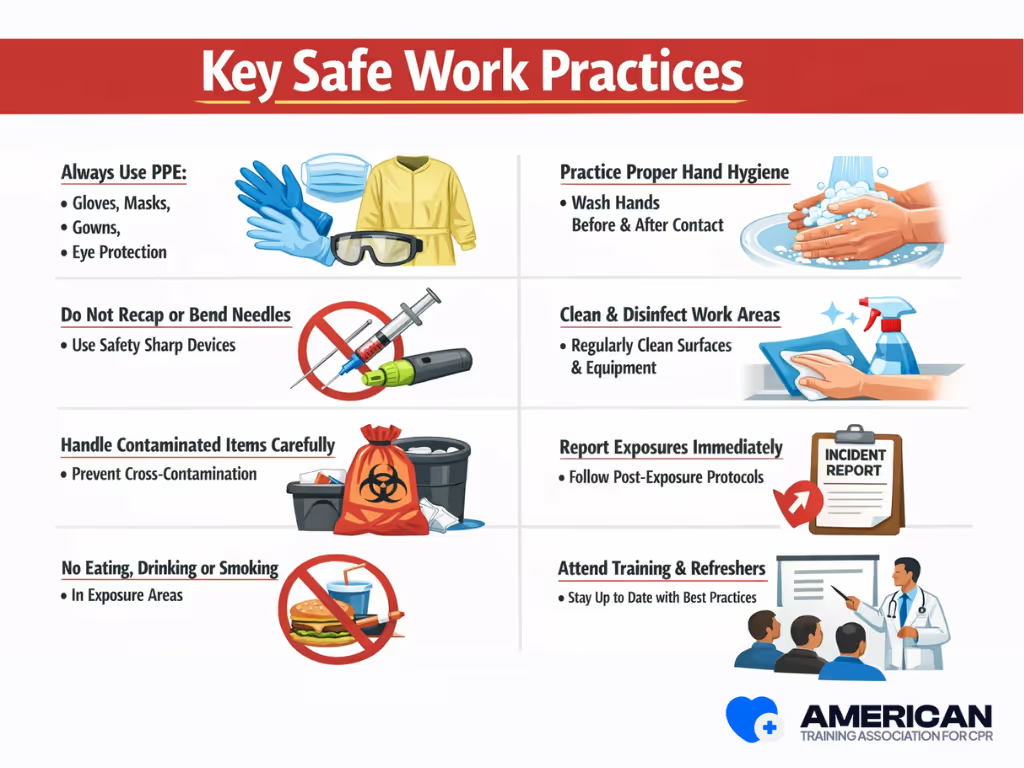
Workers should follow these core practices to stay safe:
- Always use appropriate PPE: gloves, masks, gowns, and eye protection when handling blood or bodily fluids.
- Follow proper hand hygiene: wash hands before and after contact with potentially infectious materials.
- Never recap, bend, or break needles by hand; use safety-engineered sharp devices.
- Clean and disinfect work surfaces and equipment regularly.
- Handle laundry, waste, and contaminated items with care to prevent cross-contamination.
- Report exposure incidents immediately and follow post-exposure protocols.
- Avoid eating, drinking, smoking, or applying cosmetics in areas where exposure is possible.
- Participate in training and refresher courses to stay up to date with best practices.
What is Universal Precautions?
Universal Precautions mean treating all blood and certain bodily fluids as potentially infectious, regardless of the perceived risk.
This approach eliminates guesswork. Instead of deciding whether a person is infected, workers assume the possibility of infection and follow protective procedures at all times. Universal Precautions form the backbone of safe work practices in healthcare, laboratories, childcare, and public safety roles.
Personal Protective Equipment (PPE) Guidelines
PPE provides a barrier between workers and infectious materials. Appropriate PPE may include:
- Gloves
- Face shields
- Masks
- Gowns or aprons
- Eye protection
Employees must wear PPE whenever exposure is possible, remove and dispose of PPE properly, avoid touching surfaces with contaminated gloves, and replace damaged PPE immediately PPE should never replace safe work practices. It is part of a complete protection strategy.
CPR and FIRST AID
Certification

Hand Hygiene and Decontamination
Hand hygiene is one of the most effective infection prevention measures. Workers should:
- Wash hands with soap and water after removing gloves
- Use alcohol-based hand sanitizer when handwashing is unavailable
- Avoid touching the face during procedures
- Cover cuts or broken skin before beginning work
Proper decontamination also includes cleaning reusable equipment and following approved disinfectant procedures.
Safe Handling and Disposal of Sharps
Sharps injuries are one of the most common sources of occupational exposure. Safe practices include:
- Never recapping needles by hand
- Using safety-engineered sharp devices
- Disposing of sharps immediately after use
- Placing sharps in puncture-resistant, labeled containers
- Replacing containers before they are overfilled
Immediate and proper disposal significantly reduces the risk of needlestick injuries.
Cleaning and Disinfecting Work Surfaces
Contaminated surfaces can spread infection if not properly cleaned. Safe cleaning procedures include:
- Wearing appropriate PPE
- Using EPA-approved disinfectants
- Cleaning spills promptly
- Following manufacturer instructions for contact time
- Properly disposing of contaminated materials
Routine cleaning reduces cross-contamination and protects both workers and clients.
What is an Exposure Control Plan?
An exposure control plan is a written document required by the Occupational Safety and Health Administration (OSHA) under the Bloodborne Pathogens Standard. It explains how an organization will eliminate or minimize employee exposure to human blood, body fluids, and other potentially infectious materials.
A comprehensive Bloodborne Pathogens Exposure Control Plan identifies job classifications at risk, outlines the use of work practice controls and administrative controls, and details procedures for handling and disposing of contaminated materials. It also addresses the use of safer medical devices, including needleless devices and self-sheathing needles, proper placement of sharps disposal containers, and safe management of biohazardous waste.
The plan must include access to Hepatitis B vaccination, procedures for post-exposure evaluation, and documentation practices such as maintaining a sharps injury log. OSHA requires employers to review and update the plan annually to maintain compliance and strengthen overall Workplace Safety.
What NOT to Do in Safe Work Practices
Avoid these common mistakes:
- Do not recap, bend, or break needles by hand
- Do not eat, drink, or apply cosmetics in exposure-prone areas
- Do not ignore small spills or contamination
- Do not dispose of biohazard waste in regular trash
- Do not delay reporting exposure incidents
- Do not assume someone is “low risk”
Unsafe shortcuts can lead to serious consequences.
.avif)
CPR and FIRST AID
Certification
Safe Work Practices for Children and Vulnerable Groups
In schools, childcare centers, and care facilities, additional caution is required. Children and vulnerable populations may not understand infection risks. Staff should:
- Follow Universal Precautions at all times
- Clean and disinfect shared surfaces regularly
- Supervise children to prevent contact with blood or bodily fluids
- Ensure proper disposal of medical waste
Consistent safety protocols protect both caregivers and those in their care.
Training and Compliance Requirements
OSHA requires initial and annual training for employees with occupational exposure to bloodborne pathogens. Training must include:
- Explanation of the Bloodborne Pathogens Standard
- Proper use of PPE
- Safe handling of sharps
- Exposure response procedures
- Post-exposure follow-up
ATAC offers online Bloodborne Pathogens training that helps organizations stay compliant with OSHA requirements while reinforcing safe work practices. Regular refresher training ensures employees remain confident and prepared.
What happens after a needlestick or exposure incident?
If a needlestick puncture, mucous membrane contact, or other exposure occurs, immediate action is essential. Employees must follow established Emergency Procedures and complete an Exposure Incident Report as soon as possible. The affected area should be washed or flushed immediately, followed by a prompt post-exposure evaluation. Employers are required to provide access to medical consultation, appropriate post-exposure procedures, and consideration of Post-exposure prophylaxis when indicated. Follow-up may include laboratory tests, such as HCV RNA testing, and documentation in the organization’s sharps injury log to monitor trends and prevent future incidents.
Are all bloodborne pathogen exposures preventable?
Not all exposures can be prevented, but most are avoidable when proper safe work practices are followed. Consistent use of PPE, adherence to Universal Precautions, and proper sharps handling significantly reduce risk. Ongoing training further lowers the chance of workplace exposure.
How often should staff retrain on safe work practices?
OSHA requires annual refresher training for employees with occupational exposure. Additional training may be necessary when procedures change, new equipment is introduced, or after an exposure incident. Regular retraining reinforces safe habits and maintains compliance.
What is the main difference between engineering controls and safe work practices?
Engineering controls are physical or mechanical devices that isolate or remove a hazard from the workplace, while safe work practices are procedures and behaviors that reduce exposure by changing how tasks are performed. OSHA’s Bloodborne Pathogens Standard requires employers to implement engineering controls and safe work practices, along with PPE, to minimize occupational exposure.
What protections are available for healthcare workers and laboratory personnel?
Healthcare workers, Laboratory personnel, and staff in a Clinical Laboratory face increased risk of bloodborne infections and bloodborne diseases because they frequently handle human blood, body fluids, and potentially infectious materials. Protection begins with strict adherence to standard precautions, treating all blood and body fluids as potentially infectious. Employees are required to wear appropriate personal protective clothing, including gloves and laboratory coats, and may use Biological Safety Cabinets when working with high-risk specimens. Employers must implement Sharps injury protection strategies and ensure proper disposal in labeled sharps containers displaying the Biohazard symbol.
Is the Hepatitis B vaccination required for employees?
Employers are required to offer the Hepatitis B vaccination at no cost to employees who have occupational exposure risk. The Hepatitis B virus (HBV) can survive outside the body for extended periods, making vaccination one of the most effective preventive measures in a comprehensive Bloodborne Pathogens Program.
Safe work practices reduce risk. Reinforce your knowledge with bloodborne pathogens certification and stay compliant.
CPR and FIRST AID
Certification
