A rich text element can be used with static or dynamic content. For static content, just drop it into any page and begin editing. For dynamic content, add a rich text field to any collection and then connect a rich text element to that field in the settings panel. Voila!
Headings, paragraphs, blockquotes, figures, images, and figure captions can all be styled after a class is added to the rich text element using the "When inside of" nested selector system.
Here is another list:

Foodborne illness, or food poisoning, occurs when you eat food or drinks contaminated with bacteria, viruses, parasites, chemicals, or physical hazards like glass or metal. It commonly causes vomiting, diarrhea, stomach cramps, and fever, and symptoms can range from mild to severe depending on the germ involved and a person’s age, pregnancy status, or immune health.
Food poisoning often happens due to unsafe food handling, poor storage, or undercooked meals, especially in restaurants, catered events, and group settings. It can lead to dehydration and electrolyte imbalance, and serious cases may involve bloody stools or high fever. This article covers key symptoms of food poisoning, first aid steps, and how ATAC’s Online First Aid Training prepares you to respond quickly and safely.
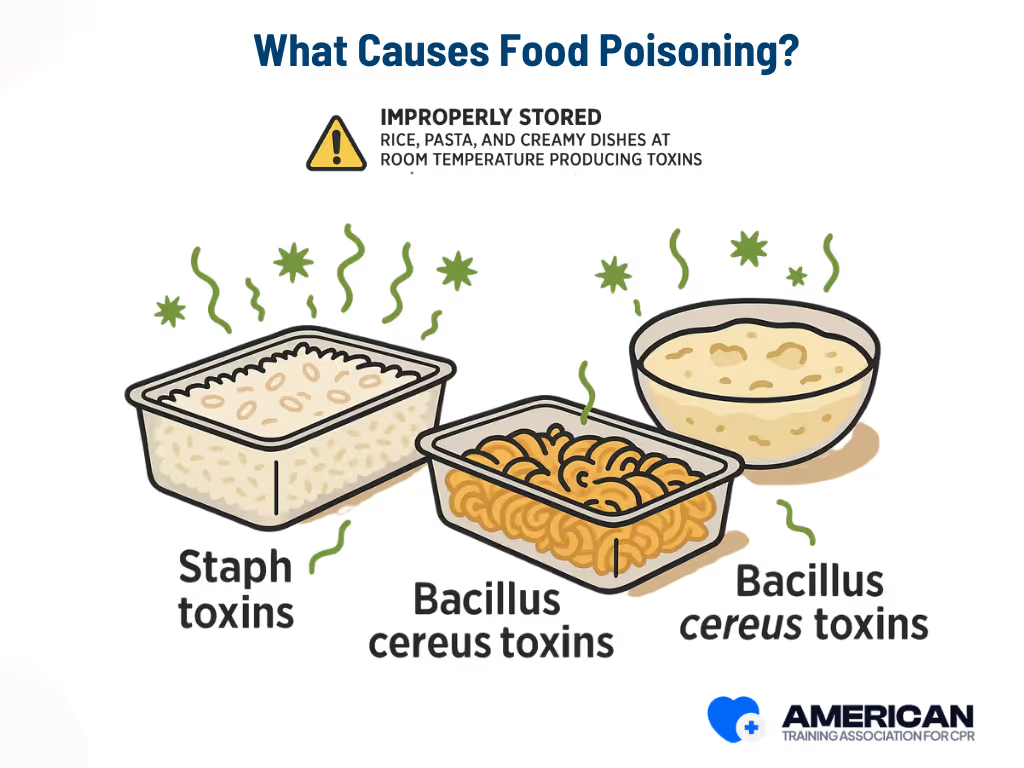
Food poisoning happens when you eat or drink something contaminated with harmful germs, toxins, or substances. Here are the main causes you should know:
These are the most common triggers behind food poisoning, and understanding them makes it easier to spot symptoms early and respond the right way.
Food poisoning symptoms usually appear within a few hours to a couple of days after eating contaminated food. They can range from mild and uncomfortable to severe and dangerous. Here’s how to tell the difference.
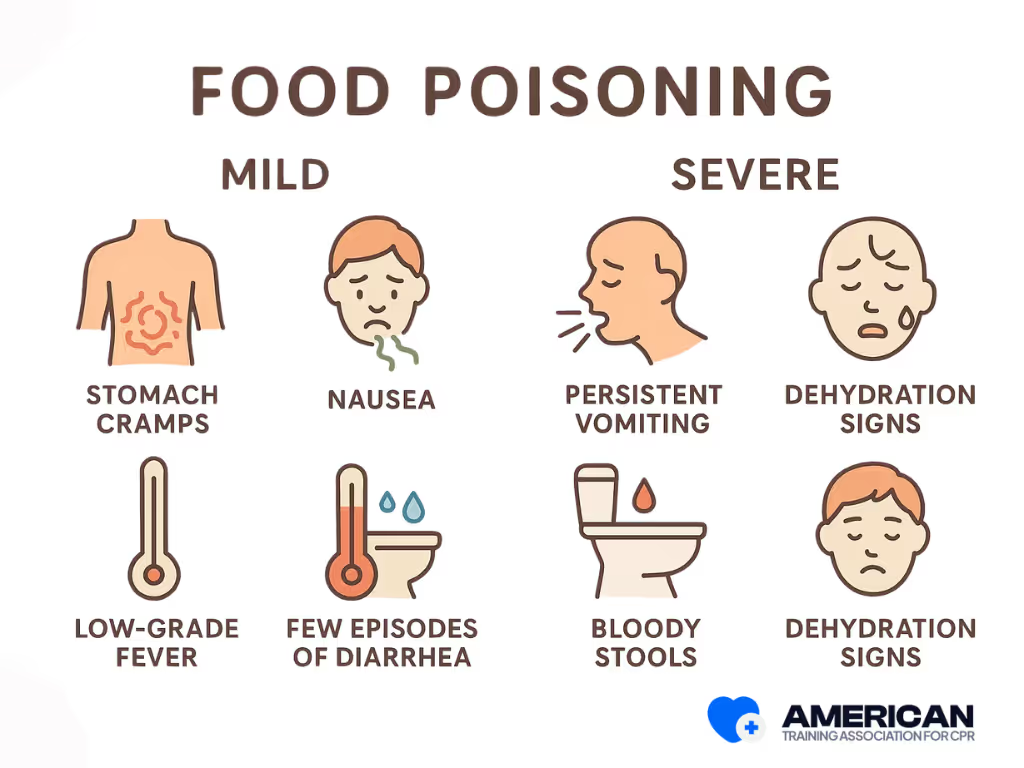
Mild cases usually start gradually and stay manageable. Common signs include stomach cramps, mild nausea, low-grade fever, a few episodes of diarrhea, and loss of appetite. These symptoms often improve with rest, hydration, and oral rehydration solutions. Most people can recover at home with fluids and over-the-counter fever reducers.
Severe cases come on quickly or worsen over time. Warning signs include persistent vomiting, high fever (above 38.5°C / 101.3°F), severe stomach pain, bloody stools, signs of dehydration (weak pulse, dizziness, dry mouth), or confusion. These symptoms may signal serious complications and often require urgent medical care.
Sometimes mild symptoms shift into something more serious. Red flags include very frequent diarrhea (10+ times/day), rising fever, inability to keep fluids down, bloody diarrhea, or dizziness when standing. These changes usually occur within 12–72 hours and should prompt closer monitoring or medical evaluation.
Call a healthcare provider if symptoms last more than a day, if vomiting won’t stop, or if diarrhea becomes excessive. Go to the ER immediately for signs of dehydration, very low urine output, extreme weakness, or any change in mental state. These signs mean the body is struggling to stay hydrated and needs prompt treatment.
When someone has mild to moderate food poisoning, the main priorities are simple: rehydrate, rest, and watch for warning signs. Most people can recover safely at home if they replace lost fluids, eat lightly, and monitor symptoms.
Following this helps you focus on what matters most: fluid replacement, rest, and careful monitoring. If symptoms worsen or don’t improve, contact a healthcare provider or follow first aid guidance for food poisoning to keep the situation safe.
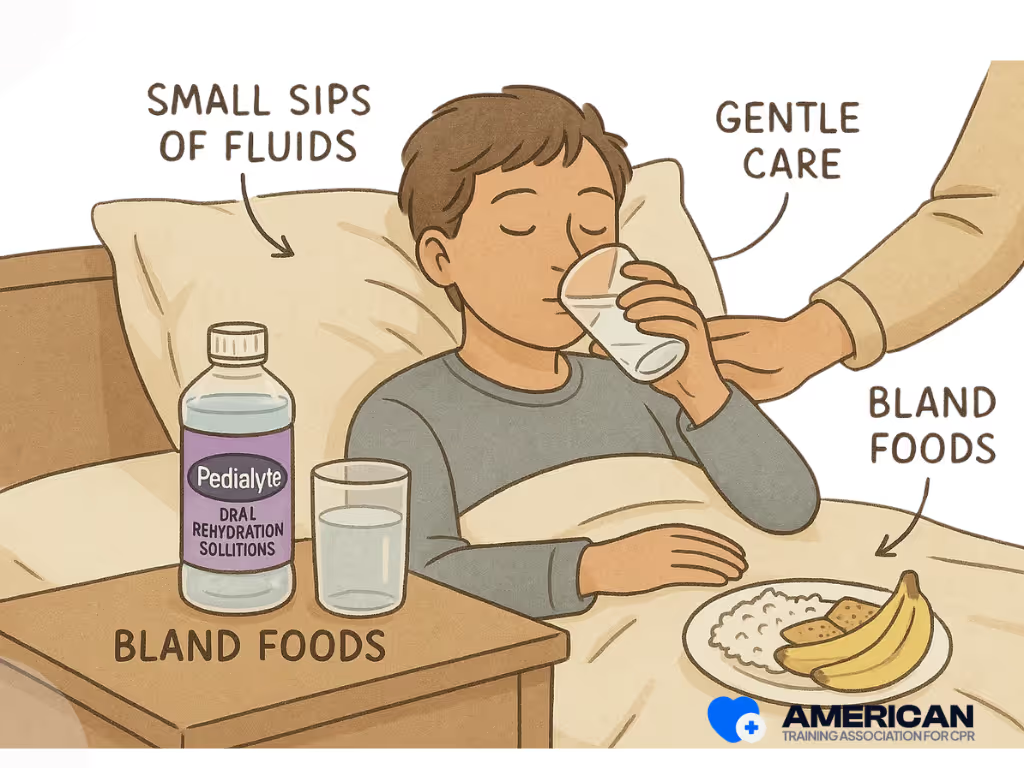
Oral rehydration is highly effective for mild to moderate dehydration from food poisoning. Solutions like Pedialyte restore lost fluids and electrolytes, prevent complications, and reduce the need for hospital care. Avoid sugary drinks, which can worsen diarrhea. Oral rehydration works for most adults and children, but if vomiting is severe, the person is very weak, or there are signs of serious dehydration, IV fluids and medical care are needed.
Food poisoning can be uncomfortable, but knowing what to eat and what to avoid can help your body recover faster. The key is to give your stomach a break and stay hydrated.
When you have food poisoning, skip solid foods for a few hours and start with gentle, easy-to-digest options:
These foods are easy on your stomach and help prevent vomiting and diarrhea from getting worse.
Even if you start feeling better, some foods can upset your stomach:
Sticking to bland foods and fluids gives your body the best chance to recover quickly.
.avif)

Yes, some types of food poisoning can spread from person to person. When you’re infected, tiny germs in vomit or stool can linger on your hands or surfaces. If someone else touches those surfaces or contaminated food, they can get sick too. This is why foodborne infections often spread quickly in places like schools, restaurants, or cruise ships.
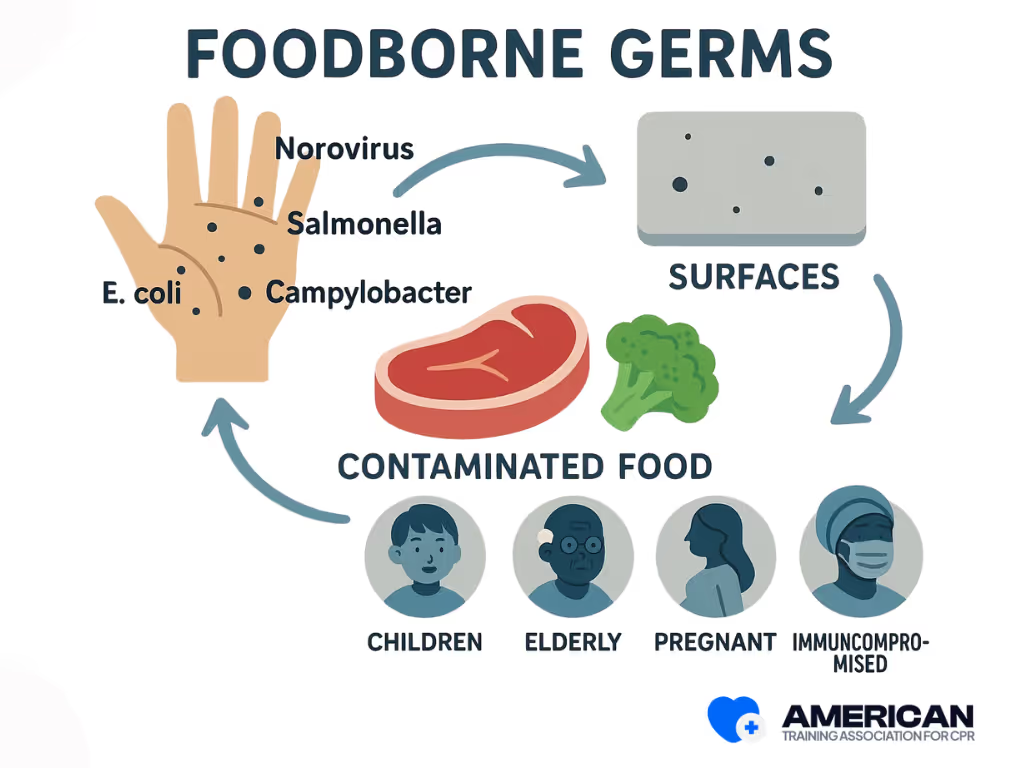
Anyone can get food poisoning, but some people are more vulnerable or may have worse symptoms:
Even when food is prepared safely, tiny amounts of germs may remain. Usually, your immune system handles them, but if overwhelmed, symptoms appear.
Doctors usually diagnose food poisoning or foodborne illness based on signs and symptoms, and recent food intake. Healthcare providers may perform stool testing, lab tests, or check for specific bacteria like Clostridium perfringens, Salmonella, or Campylobacter bacteria.
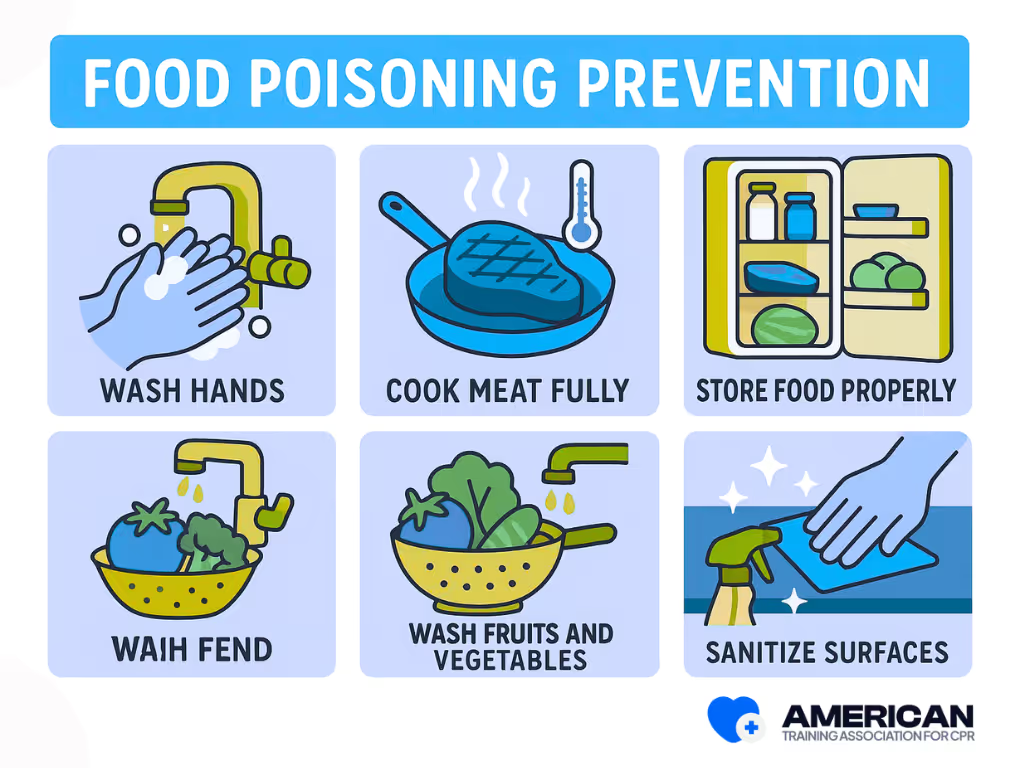
The simplest way to protect yourself from food poisoning is by practicing safe food handling. Key steps include:
Certain foods are riskier if not handled properly, including raw or raw meat, poultry, eggs, shellfish, raw fish like sushi, deli meats, ground beef, unpasteurized dairy, and unwashed fruits and vegetables. Handling these foods safely can greatly reduce your risk of food poisoning and help keep you and your family healthy.
Practice food safety and hand washing, carry a carry-on bag with clean utensils or water if needed, and avoid high-risk foods like raw fish, unpasteurized dairy, or undercooked meats.
Most cases resolve within a few hours to a couple of days. Mild cases typically improve within 24–48 hours, while more severe infections may last up to a week. Rarely, some infections can take longer to fully clear.
Most cases do not require medication. Antibiotics are only used for confirmed bacterial or parasitic infections. Over-the-counter anti-diarrheal medications should generally be avoided if you have a fever or blood in your stool.
Food poisoning often starts suddenly within hours after eating contaminated food. Stomach flu (viral gastroenteritis) usually develops more gradually over 12–24 hours and may spread from person to person.
Yes, food allergies can mimic food poisoning with vomiting or diarrhea. However, allergic reactions may also cause hives, swelling, or respiratory symptoms and should be treated differently.
Yes, pathogens like Hepatitis A and parasites such as Toxoplasma gondii can contaminate food and cause illness. Proper food hygiene and vaccination where recommended help prevent infection.
ATAC’s Online First Aid Training equips you with the knowledge and skills to act quickly and safely during food poisoning incidents. You’ll learn how to recognize early signs and differentiate mild from severe symptoms, manage dehydration effectively with oral rehydration solutions, provide safe home care, and understand when to seek professional medical help. The course also emphasizes preventive measures, ensuring you’re prepared to reduce risks and respond confidently in emergencies.
Online first aid training offers flexibility and convenience, allowing you to learn at your own pace from home or anywhere with internet access. It provides easy-to-follow modules with clear demonstrations, helping you retain practical skills effectively. You can revisit lessons anytime for refreshers, and the training often includes quizzes or interactive exercises to reinforce learning.


