

.avif)


.avif)

When to Use Psychological First Aid?
Psychological First Aid (PFA) is appropriate after sudden disasters, accidents, community crises, or individual traumatic events. These situations often cause acute distress, disrupted daily functioning, and immediate safety concerns. PFA helps stabilize emotional reactions, reduce immediate stress, and connect people to social support and essential services.
What are the Key Indicators for Using Psychological First Aid
PFA should be used when individuals show clear signs of acute distress or impaired functioning following a traumatic event. Common indicators include:
- Intense emotional reactions such as panic or uncontrollable crying, confusion or disorientation
- Inability to communicate with family or services
- Difficulty meeting basic needs like food or shelter.
- Ongoing safety threats at the scene also signal the need for immediate PFA support.
What are the Situations Where PFA Is Used?
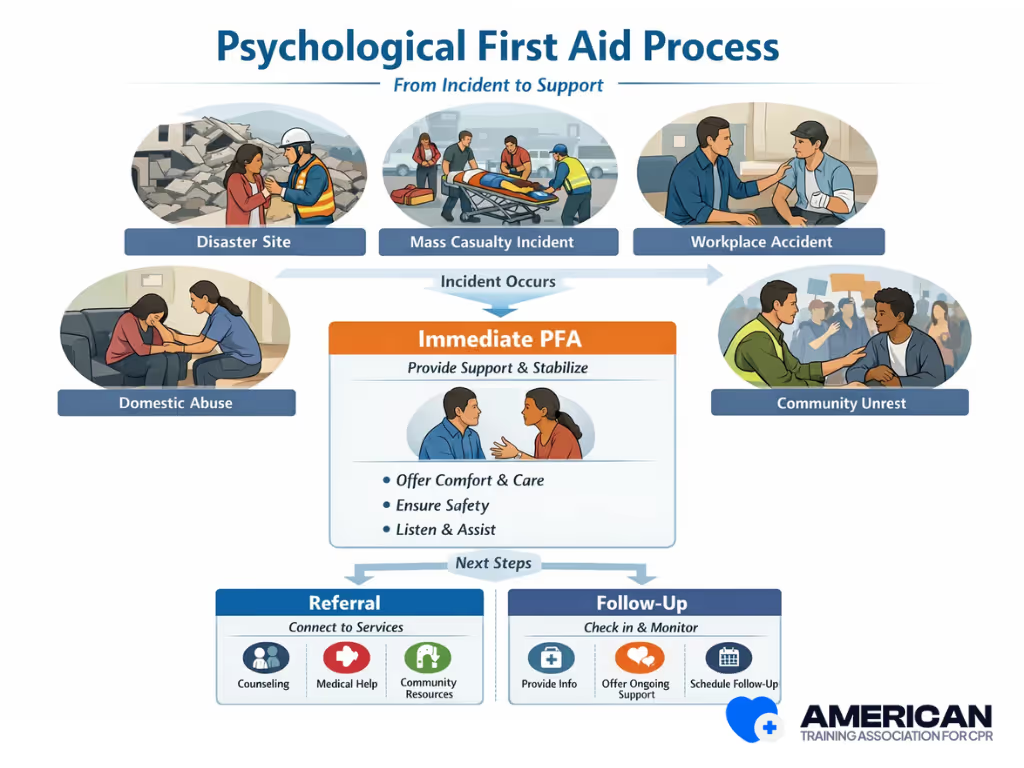
Psychological First Aid is used across many contexts, including mass disasters, transportation accidents, acts of violence, domestic abuse cases, community unrest, and displacement settings. The timing and delivery of PFA depend on the situation. In large-scale emergencies, PFA is often provided at triage points or shelters within the first 24 to 72 hours. In individual incidents, it may be offered during first contact and followed by referral shortly after.
Risk Factors That Increase Priority
Some individuals may need PFA more urgently. These include people with high visible distress, limited social support, preexisting mental health vulnerabilities, confusion, or signs of self-harm ideation. Priority is also given to those unable to meet basic needs, unaccompanied children, or individuals showing severe emotional or functional impairment.
When Psychological First Aid Is Not Appropriate?
PFA is not a standalone intervention for psychiatric emergencies or long-term mental health treatment. Situations involving active suicidal intent, psychosis, or the need for ongoing psychotherapy require immediate medical or mental health referral. In these cases, responders should ensure safety, arrange urgent evaluation, and involve emergency or crisis services.
What are the Steps in Providing Psychological First Aid?
Psychological First Aid follows a clear sequence of actions: Prepare, Observe, Listen, Connect, and Support. Each step has a specific purpose and helps responders stabilize and assist individuals affected by a crisis.
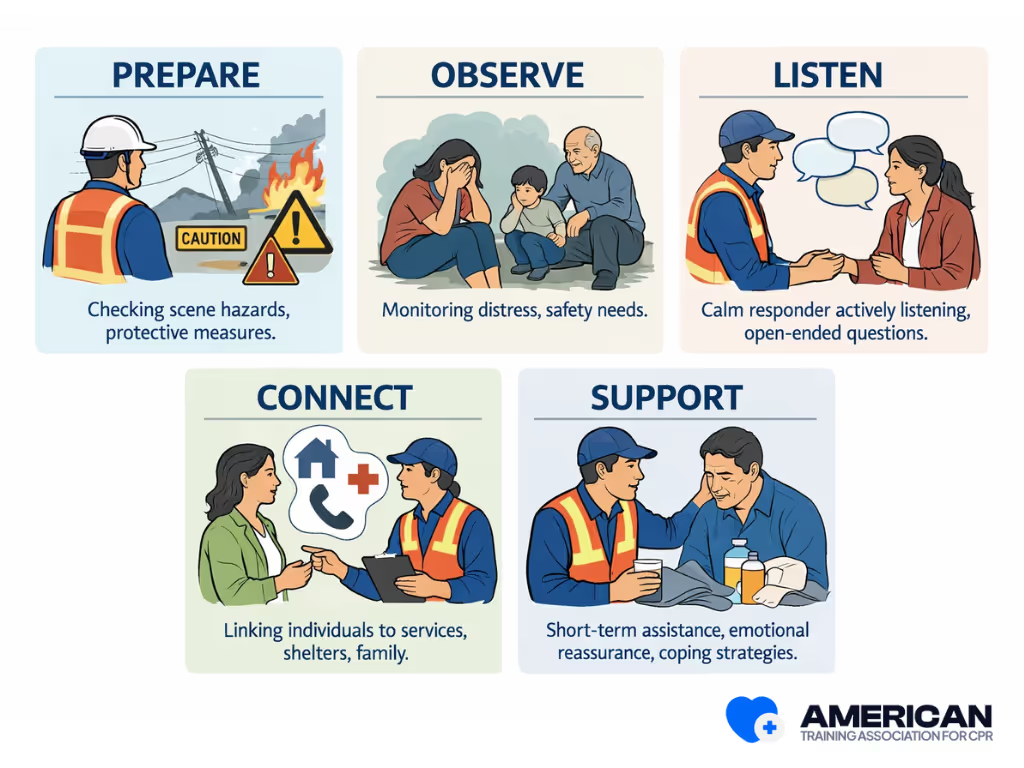
- Prepare: Ensure the responder and environment are ready for safe, effective support by checking scene hazards, using protective measures, assessing risks, clarifying roles, and identifying resources like emergency contacts, shelters, and community services.
- Observe: Identify immediate needs, safety concerns, and priorities by monitoring distress, confusion, agitation, environmental risks, and medical red flags such as breathing difficulty, severe injury, or loss of consciousness.
- Listen: Establish contact and understand the person’s immediate concerns using a calm presence, active listening, and open-ended questions. Focus on validating feelings and assessing safety needs without probing traumatic details.
- Connect: Link individuals to practical support and resources such as crisis lines, family contacts, shelters, or medical care. Explain what to expect, obtain consent before sharing information, and provide simple coping tools like breathing or grounding exercises.
- Support: Provide short-term assistance, emotional reassurance, coping strategies, safety planning, and referrals to mental health or medical services when needed. PFA is time-limited, focused on stabilization, with documentation and clear referral for ongoing care.
When applied in sequence, these five steps create a practical workflow that promotes safety, emotional stabilization, and connection to further support. The next section explains how Psychological First Aid differs from therapy and when referral for continued care is appropriate.
Psychological First Aid vs. Therapy
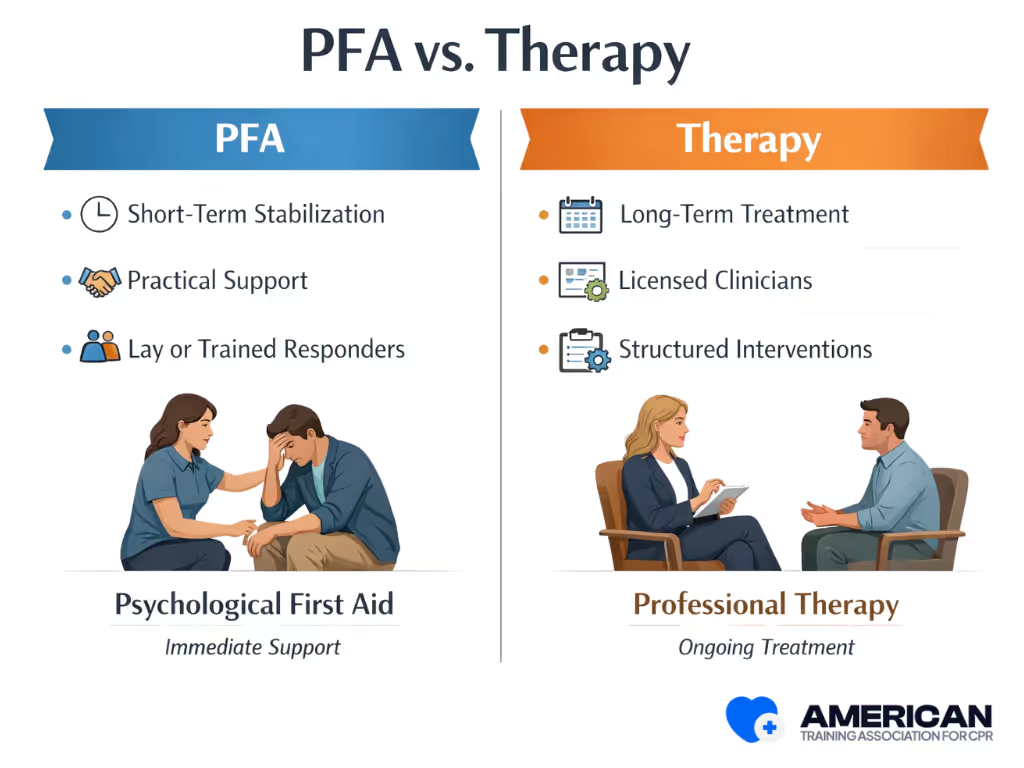
Psychological First Aid (PFA) focuses on immediate stabilization and practical support, while therapy provides ongoing clinical intervention. Here are the key distinctions in purpose, timing, methods, providers, and referral processes.
- Purpose: PFA provides immediate stabilization and practical support after a crisis; therapy offers long-term clinical treatment.
- Timing: PFA is short-term, delivered in the hours or days post-incident; therapy occurs over weeks or months.
- Methods: PFA uses active listening, safety planning, coping strategies, and resource connection; therapy uses structured assessments, treatment plans, and evidence-based interventions.
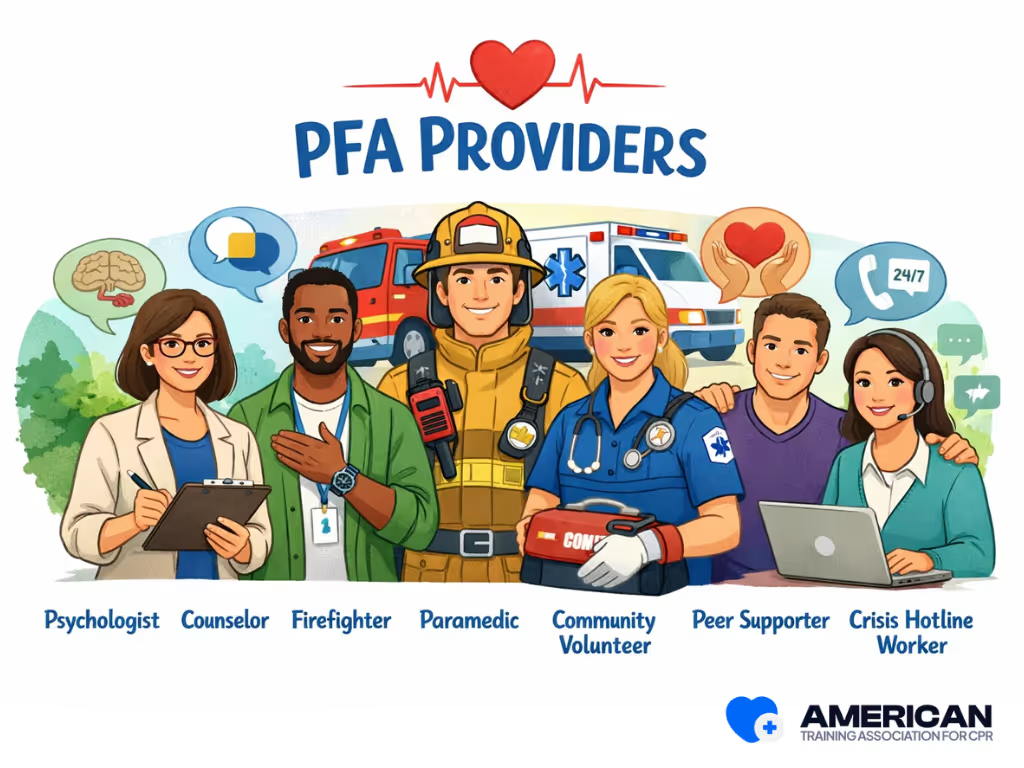
- Providers: PFA can be delivered by trained volunteers, responders, or nonclinical staff; therapy is delivered by licensed clinicians.
- Referral: PFA providers assess risk and refer individuals needing ongoing or specialized care.
Recognizing these differences ensures that individuals receive the right type of care at the right time. PFA addresses urgent needs and promotes short-term coping, while therapy provides ongoing support for deeper or persistent mental health challenges. Together, they form a continuum of care that responds effectively to both immediate and long-term needs.
.avif)
What are the Benefits of Psychological First Aid
Psychological First Aid (PFA) helps crisis survivors and responders achieve emotional stability, improve short-term coping, and reduce distress while promoting practical functioning after disasters or traumatic events. Key benefits include:
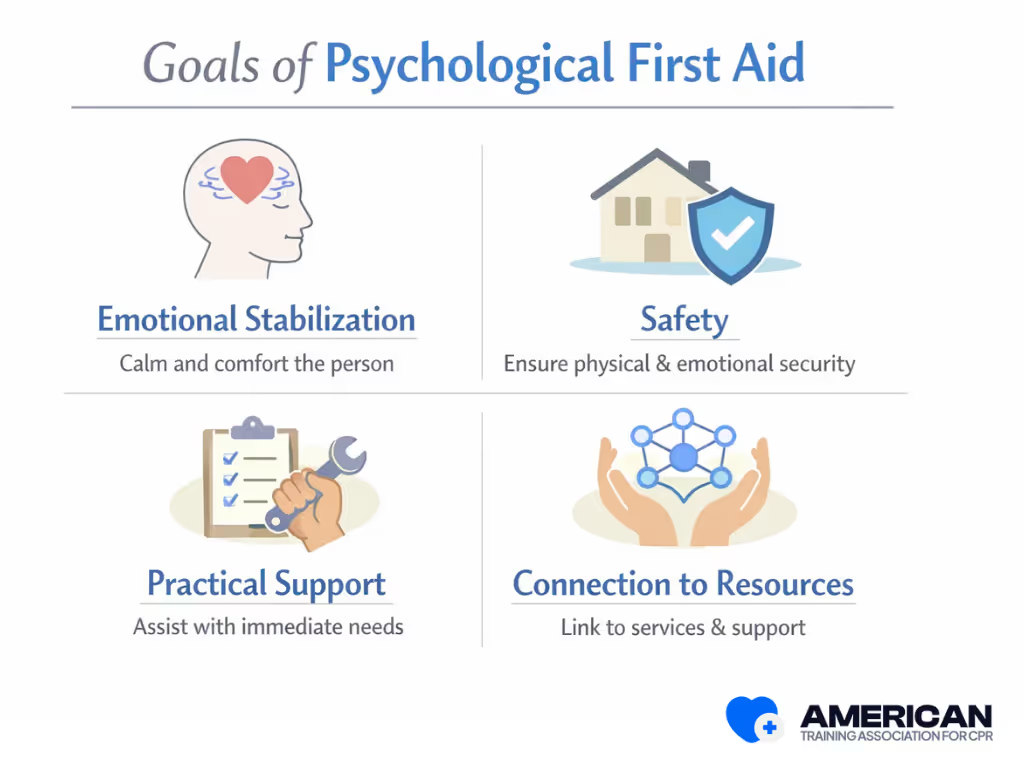
- Emotional stabilization: PFA calms acute distress using techniques like controlled breathing, grounding exercises, and active listening. This helps survivors maintain cognitive function and make immediate decisions for safety and care.
- Increased sense of safety and control: PFA establishes predictable supports and actionable steps, such as safety assessments, simple safety plans, and addressing immediate needs like shelter, food, or medical care, restoring survivors’ agency.
- Promotion of adaptive coping and problem-solving: PFA encourages concrete tasks, connects survivors to local resources, and sets follow-up plans, helping them adopt practical strategies instead of maladaptive coping.
- Reduction in isolation and strengthened social support: PFA connects survivors with family, peers, or community organizations, provides validating listening, and helps reestablish social contacts, enhancing emotional recovery.
- Support for responder resilience and wellbeing: PFA frameworks clarify roles, set interaction boundaries, provide structured steps, and include supervision, reducing secondary traumatic stress for responders.
- Example case study: A responder uses brief grounding and referral planning; the survivor reports reduced panic and completes a practical task, while the responder experiences clearer role focus and less distress. This demonstrates the benefits of psychological first aid in practice.
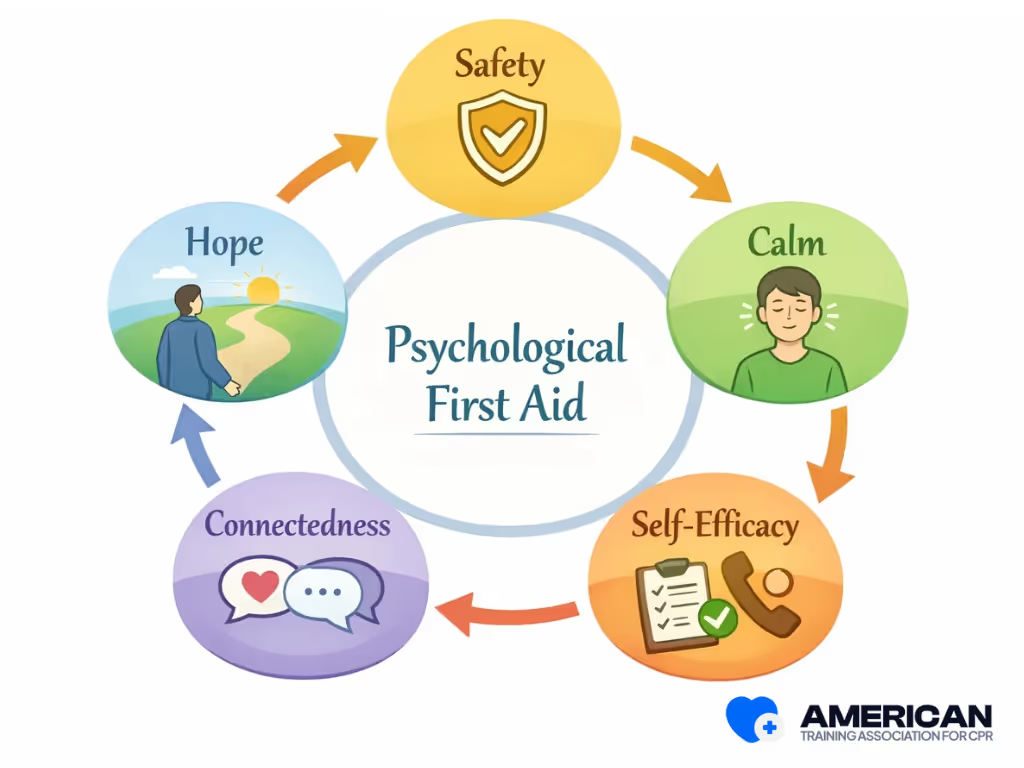
These benefits collectively support immediate recovery, stabilize emotions, restore safety, enhance problem-solving, and strengthen social support.
Training in Psychological First Aid
Structured PFA training equips learners with practical skills for immediate mental health support, including communication, safety assessment, and referral management. Training is offered by public health agencies, nonprofits, universities, emergency services centers, and private vendors, using formats such as in-person workshops, synchronous or asynchronous online courses, blended programs, and short refresher sessions.
Core curriculum components cover active listening, safety stabilization, needs assessment, resource linkage, and responder self-care. Programs provide certificates of completion, competency sign-offs, and sometimes continuing education credits, with course length, cost, and scheduling varying by provider.
Why Take First Aid Training with ATAC
ATAC offers accessible, affordable, and certification-backed first aid courses designed for workplace and community readiness. Online training allows learners to study at their own pace, access course materials anytime, and complete modules from any location, making it ideal for busy schedules. Learners benefit from recognized certification cards and documentation that meet employer and regulatory requirements. ATAC courses balance affordability, convenience, and credibility, making us a strong choice for anyone seeking practical first aid skills and validated certification.
